
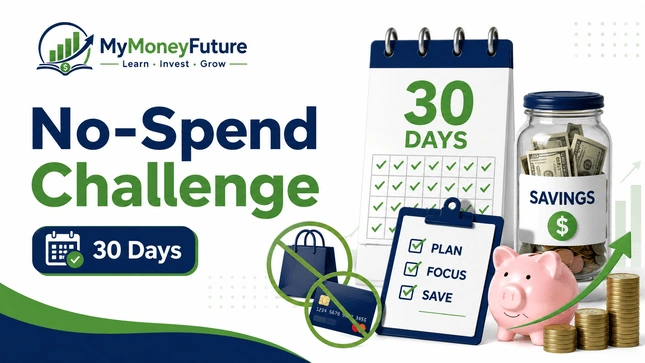
A 30-day no-spend challenge is a short-term financial reset that involves not buying non-essentials for one month. You continue to pay for essentials like rent/mortgage, utilities, food, gas, insurance, medical bills, but you stop buying extras for a while.
The intention here is not to slash expenditures to the bone or make day-to-day living a misery. The goal is to be more intentional about where your money is going.
A no-spend month is a fantastic way to save cash fast, learn what makes you impulse buy, use what you already have, and distinguish your actual needs from habits that look like needs. It can also show you how much small, unplanned expenses affect your monthly budget.
The challenge works best if you set clear guidelines before you start. Without clear boundaries, you could spend the whole month arguing about whether each and every purchase you make is permitted.
In this article, I’ll walk you through the rules of the 30-day no-spend challenge, how to prepare for it, what you can still buy, how to deal with unforeseen spending and what realistic results you can expect.
Fast Answer
The 30-day no-spend challenge is a promise to yourself that you won’t spend any money on anything extra for a month. You can still pay for your necessities.
Most people are still paying for housing, utilities, basic groceries, transportation, insurance, medications, child care and necessary debt payments. They cut back on spending temporarily for such things as dining out, takeout, clothes, entertainment, beauty items, home decor and nonessential internet ordering and other nonessential things.
The challenge can enable you to save money, stop impulse shopping and get a grip of your spending patterns. The amount you save depends on how much discretionary spending you regularly do.
Key Takeaways
| Key Point | What It Means |
|---|---|
| Essentials are still permitted | You still pay necessary payments and living expenditures. |
| Write your rules | Define the boundaries and there’s no room for excuses. |
| Preparation is key | Plan meals and free things to do to help get through the month. |
| Tracking enhances motivation | Record avoided purchases & actual savings. |
| One mistake is not a failure | Learn from it and continue the task. |
| Your results may vary | Your savings will vary depending on your average spending habits. |
| The aim is lasting awareness | Preserve the practices that enhance your financial life. |
What Is a 30-Day No Spend Challenge
A 30-day no-spend challenge is a month where you don’t spend money on things you don’t need.
You’re still paying for the stuff that keeps your house running. It is directed at discretionary, unplanned or easy-to-delay purchases.
Typical essential outlays are:
- Payments for rent or mortgage
- Utilities
- Everyday groceries
- Traveling to work or school
- Insurance.
- Pharmaceuticals and Healthcare
- Child Care
- Minimum debt service
- Common household supplies
- Mandatory pet care
Examples of nonessential expenditures are:
- Meals in restaurants
- Takeaway/Delivery
- Coffee shop visits
- Non urgent clothes
- Entertainment buys
- Beauty splurges.
- Home decor
- Supplies for Hobbies
- Orders not scheduled for online
- Shopping at convenience stores
- Paid events
- In-app purchases
- Unsolicited subscription renewals
Rules are not always the same as each household has various duties. Someone who drives to work might need a gasoline allowance, someone who works remotely might not. If you are a family with children, you may need exceptions for school that a single person does not need.
Rules should be strict enough to affect behaviour, yet flexible enough to remain realistic.
Why a No-Spend Month?
A lot of individuals underestimate what they spend on the little discretionary things.
You may not think a $7 lunch, $5 coffee, $18 internet order and $25 takeaway meal matter financially on their own. But when these transactions repeat throughout the month, they can add up to hundreds of dollars.
A no-spend challenge gives you a break, a space between wanting something and buying it.
That pause can work for you:
- Set up money for emergencies
- Pay off debt faster
- Get ready for a big expense
- Recover from an expensive month
- Cut credit card use
- Kick an online shopping habit
- Recognizing emotional expenditure
- Use items you may already have in your pantry or home
- Be more comfortable saying no
- Be more intentional with a budget
The challenge might also expose if particular costs really improve your life, or merely keep happening because they have become usual.
Choose Your Goal First
When you have a place for the money to go, a no-spend month is easier.
Don’t say, “I want to spend less.” Pick a concrete target.
The examples are:
- Save up $500 for an emergency fund.
- Make a $300 payment on a credit card balance.
- Except for one insurance bill coming up.
- Offset loss of income due to unpaid leave.
- Create a holiday fund.
- Save on refills after the vacation.
- See how much you can cut your discretionary spending.
It makes the challenge feel purposeful, not restrictive.
You’ll also want to consider what you’ll do with the money you save. Rather than keeping it in your checking account, where it could be wasted, put it in a separate savings account or use it to make an extra loan payment.
Basic Rules of 30-Day No-Spend Challenge
There is no one definitive rulebook, however the following structure works for most people.
Rule 1: Only Spend on Approved Essentials
Make a list of the allowable categories before Day 1.
Your list might be:
- Housing
- Utility
- Food *
- Transports
- Insurances
- Health care
- Child Care
- minimum debt service payments
- Necessary school or work costs
- Everyday housekeeping essentials
A written list keeps you from re-defining “essential” every time you want to buy something.
Rule #2: Skip Eating Out
Skip restaurants, takeout, delivery, drive-throughs, and convenience-store food.
Prepare meals at home and bring food to work or on the road.
A sensible exception may be needed if dining is part of mandatory business travel or some other unavoidable obligation. Define such exceptions, if you can, before starting.
Rule 3: Stop buying anything you don’t need
No clothes, accessories, electronics, decor, books, beauty, gadgets or anything for a hobby unless there is a real urgent need to buy.
Or it could be running short of something important in personal care. Usually not buying a different version because it is on sale.
Rule 4. Use What You Already Have
Before you buy something, check to see if you already have an acceptable alternative.
This is for ..
- Pantry Ingredients
- Frozen foods
- Toiletries
- Cleaning items
- Clothes
- Fun
- Supplies, office
- Presents
- Materials for hobbies
The challenge allows people to give lost items new purpose and reduce waste.
Rule 5: No Entertainment for Pay
Put off movie tickets, concerts, paid events, game purchases, rentals and other optional amusement.
Instead, opt for free options such as trips to the library, community events, walks, game nights, home movie nights, free museums or outdoor activities.
Rule 6. Subscriptions to Review
Check streaming services, gym memberships, software, digital periodicals, storage plans, subscription boxes and app renewals.
Cancel or suspend services you don’t need at the moment. Make sure you read the renewal terms carefully before signing up for any further free trials. The Federal Trade Commission’s guidance on free trials and auto-renewals recommends that you check the cancellation requirements and watch your statements to confirm that the charges are truly stopping.
Before cancelling a subscription with a big termination fee, weigh the cost of cancellation against the potential savings.
Rule 7: Don’t Buy in Bulk Before You Start
The idea is to buy a month’s worth of restaurant-style fare, entertainment, clothes, or household products before Day 1.
Normal preparation helps. And overspending in advance is not.
Rule 8. Record Every Purchase
Record all transactions including authorized expenditure.
Tracking lets you spot:
- What categories are still pricey
- When the Shopping Urge Hits You
- Are food prices rising
- How much you don’t spend
- If you want to change your rules
The Your Money, Your Goals toolkit from the CFPB has tools to help you track spending, create savings strategies and manage cash flow.
Rule 9: Hold off on using an exception
If you think you need something beyond your allowed categories, wait at least 24 hours when the issue is not urgent.
Ask during that time:
- Do I have something that works already?
- Can I remove it?
- Is it fixable?
- Can I delay the purchase?
- Is there a free option?
- Will this still be necessary tomorrow?
Waiting kills a lot of purchase desires.
Rule 10: Don’t Stop After a Mistake
One unnecessary purchase doesn’t erase the whole challenge.
Record what happened and the trigger . Continue the next day . If you turn one mistake into a week of spending that you can’t manage, it does more damage than the original purchase.
What Spending is Permissible?
The obstacle should never deter you from satisfying real needs or duties.
Often Allowed
- Rent or mortgage
- Electricity, water and internet
- Basic groceries
- Fuel and transport
- Cost of insurance
- Over-the-counter medicine
- Healthcare
- Child care
- Pet food and essential veterinarian care
- Minimum payments for loans and credit cards
- Costs related to your job
- Important repairs
Paused Most of the Time
- Meals at restaurants
- Alcohol
- Specialty coffee
- Clothes
- Decorating the house
- Cosmetics you don’t require
- Paid entertainment
- Online impulse buying
- Shopping for a hobby
- Convenience food
- Opcional upgrades
- Unneeded presents
- Downloaded for a fee
Categories that need personal rules
Some expenses are neither clearly needs nor wants.
Examples are:
- Activities for kids
- Hair cuts
- Community events
- Charitable donations
- Displays
- Gym memberships;
- Business attire
- Family celebrations
- Travel planned
- Services of convenience
Before the month starts, determine what you will do with these categories.
For example, you may accept one birthday present that has already been committed but restrict any more unforeseen gifts. You may want to hang onto a gym subscription you actually use but put a second workout app on hold.
Preparation Before Day 1
Preparation decreases the willpower needed throughout the task.
The Last Month Review
Check your bank and credit card statements.
Identify spending on:
- Eating out
- Shipping
- Shopping
- Fun
- Suscripciones
- Easy buys
- Store Visits (unplanned)
Add these figures to determine your potential savings.
Let’s say your last month looked like this:
| Category | Value |
|---|---|
| Restaurants and takeout | $220 |
| Coffee and nibbles | $85 |
| Online shopping | $175 |
| Entertainment | $90 |
| Unused subscriptions | $40 |
| Total | $610 |
Theoretically, if all this spending were eliminated, it could save $610. Your actual results may differ since certain expenses are deferred rather than eliminated.
Write Your Rules
Create three lists: 1. 2. 3.
- Acceptable expenses
- Expenses under suspension
- Decisions to be Exceptions
Place the rules where you can see them, or store them on your phone.
Plan Your Groceries
Make easy dinners with food you already have.
Check your:
- Pantry
- Fridge
- Freezer.
- Spices
- Packed school lunches
- The remnants
Make a shopping list of the essentials you are lacking. Don’t use the challenge as an excuse to buy weirdly expensive groceries.
Eliminate Shopping Triggers
Prior to the challenge:
- Delete the shopping applications.
- Delete saved payment details.
- Unsubscribe from marketing emails.
- Disable sales alerts.
- Unsubscribe from shopping accounts.
- Stay away from the online shopping sites.
- Clear digital shopping carts.
- Cut back on visits to stores where you like to overspend.
It’s better to cut down on temptation than to depend on willpower every single day.
Free Stuff
Write down a list before boredom kicks in.
Activities may include:
- Visit the library
- Go for a walk
- Go to a local park
- Host a gaming night
- Try a new recipe
- Watch something that’s already part of a subscription
- Work out at home
- Call a friend
- Work on an incomplete project
- Clear out a room
- Go to a free community event
- Read books you already have
It’s simpler to stick to a no-spend challenge when you still have fun things to do during the month.
A Simple 30 Day Framework
Dividing the challenge into weekly themes can make it seem more doable.
Week 1: Reset and Watch
The first week is about making yourself aware of your habits.
Concentrate on:
- Tracking each purchase
- Knowing When You Need to Shop
- Domestic cooking
- Eliminating shopping triggers
- Consuming pantry food
- Recording avoided purchases
You might find that shopping desires pop up while you’re bored, stressed, on a break from work or scrolling social media.
Be non-judgmental about yourself. The aim is to gather information.
Week 2: Work with What You Have
The second week is about waste reduction.
Try to:
- Use up open packages of food.
- Use old clothes.
- Bring your own toiletries.
- Finish work you have started.
- Repair little household items.
- Buy only after you borrow.
- Find entertainment for free.
This week typically shows us how much has been bought and forgotten.
Week 3: Drop the Spending To Connect
In the third week, motivation may start to decrease.
Arrange free social events like:
- Pot lucks
- goes for walks with pals
- At home movie night
- Tabletop games
- Free local activities
- Classes for the community
- video conferencing
- Joint training exercises
You don’t have to go it alone to save money. Rather than turning down every invitation reflexively, tell people about the difficulty and offer alternatives.
Week 4: Reflect and Prepare
During the last week:
- Figure out how much you saved.
- Examine your biggest money stressors.
- List the costs you did not avoid.
- Pick which subscriptions to stay canceled.
- Set rules for spending after the challenge.
- Put the savings towards your goal.
You can also plan one fair prize at the end of the assignment. The payoff should be within your budget, not consume everything you’ve saved.
How to Complete the Challenge
Concentrate on the Next Decision
Don’t assume you have to fight every single purchase for a whole month. Think about the decision you have to make.
Employ a Visual Tracker
Mark each day finished on a calendar, or make a progress chart.
You can also track purchases you’ve skipped:
| Avoided Purchase | Amount |
|---|---|
| Takeout dinner | $32 |
| Clothing order | $48 |
| coffee visits | $18 |
| Movie Tickets | $30 |
| Total Not Spent | $128 |
This figure is inspirational, but remember that “not spent” doesn’t become savings until the money stays available or is transferred to a purpose.
Help us promote the challenge
Friends and relatives may be more supportive if they understand why you are turning out paid activities.
Instead of just saying no, tell the person to look for a free alternative.
Create a Wish List
If you want something, write it down instead of buying it.
Review list within 30 days. You may find a lot of the things you have are no longer significant to you.
Bring Food & Water
Hunger and convenience might trigger unnecessary spending. Pack your lunch, snacks and drink before you leave home.
Don’t Be All-or-Nothing
The goal is progress, not perfection.
An emergency repair, medication or a needed school fee doesn’t indicate you failed. This signifies that life continues during the challenge.
How much can you save?
There is no assurance of an outcome.
Your savings will depend on:
- Income
- Average family size
- Non-defense discretionary
- Existing obligations
- Cost of living locally
- Challenge guidelines
- Unexpected expenses
If you’re already on a tight budget, expect to save less than $100. A person who spends regularly on meals, shopping and entertainment may save $500, $1,000 or more.
For example:
| Normal Discretionary Spending | Amount per Month |
|---|---|
| Dining out and takeout | $300 |
| Shopping | $250 |
| Coffee and nibbles | $100 |
| Entertainment | $125 |
| Subscriptions | 75 |
| Total Potential Reduction | $850 |
If the consumer avoids all these costs, the possible decrease is $ 850 .
But some purchases may merely be delayed. If the consumer buys $200 worth of postponed things immediately following the challenge, the long-term savings would be less.
That is why the post-challenge plan is crucial.
Potential Benefits Besides Saving Money
The financial outcome may be the most visible, but the behavioral lessons may be the more valuable.
Greater Awareness
You might notice how often you shop mechanically, not purposefully.
Less Impulse Shopping
A waiting period might diminish the link between wanting something and purchasing it right away.
Getting the Most Out of What We Have
Eat it before you replace it, reduce food waste and use stuff you forgot about.
increased confidence
By taking on the challenge, you might show you have more control over your spending than you would think.
Sharper priorities
Some costs you’ll find add real value and some are easy to cut.
Less Financial Stress
Saving money or paying down debt might provide a greater sense of control.
But the challenge can also lead to frustration if the regulations are too tight. And the quantity saved is not the only measure of a successful result. It also depends on whether you get habits that can be sustained.
Frequent No-Spend Challenge Mistakes
Too Indeterminate Rules
“Spend less” is difficult to do. Define exactly what is permitted.
Rules Too Rigid
Responsible saving doesn’t mean saying no to necessary medical care, transportation, or home costs.
Spending more than you have before Day 1
A big shopping trip for supplies can wipe out a good chunk of the savings for the month.
Skip the Grocery Limits
Groceries are an expenditure, but the purchase of expensive treats and convenience items can be a substitute for money spent at restaurants.
No Goal to Start With
Saving means less when the money is without a purpose.
Stay away from social situations
Without free alternatives you may feel isolated and give up the challenge.
One Fall Does Not Equal Failure
A mistake ought to be information, not a license to quit trying.
Counting every saved purchase as a saving
If you don’t buy something for $100, you don’t make $100 in cash. It only works if you would buy the item and the money is still there.
Spending Binges After Day 30
A big buying binge can undo the gains you’ve made, reinforce your bad habits, and add more clutter to your home.
30 Day No Spend Challenge: Pros & Cons
| Advantages | Disadvantages |
|---|---|
| Can reduce spending quickly | Can feel restricted |
| Shows impulse buying causes | Demands planning |
| Promotes reuse of existing items | Costs are unavoidable |
| might help with saving or debt objectives | Family involvement might be challenging |
| Cultivates wise spending practices | Rigid rules may lead to rebound spending |
| Has a defined beginning and end | Savings may not be sustainable without a follow-up strategy |
After the Challenge Ends What to Do
Day 31: Don’t go back into old behaviors.
Look at the month and say:
- What purchases did I not regret?
- What purchases actually enhanced my life?
- What was behind most of my impulse buying?
- What did I like that was free?
- Which subscriptions should stay canceled?
- What did I truly save?
- What rules could I employ for the long run?
You can continue with behaviors such as:
- 1 week without spending a dime
- A 48-hour cooling off period for non-essential purchases
- Monthly restaurant allowance.
- automatic transfer to savings
- Regular subscription audits
- Planning meals
- A set amount of personal spending
- One no-spend weekend every month
The point is not to cease enjoying money. That is to spend how you decide is important.
Questions & Answers
What is a 30 Day No Spend Challenge?
It’s a vow to not spend on nonessential things for one month, all the while paying for essentials and financial commitments.
What costs are eligible?
Most people include housing, utilities, groceries, transportation, insurance, healthcare, childcare, minimum debt payments and other actual expenses.
Can I purchase gifts during the challenge?
You can make an exception for planned gifts already in process. Before the challenge, set a purchasing limit and don’t use gifts as a blanket excuse to shop.
Can I spend money in case of emergency?
Yeah. Take care of necessary medical care, urgent repairs, safety expenses and other real situations. The challenge should not endanger your health, safety, employment or property.
What happens if I breach a rule?
Record the purchase, record the reason for it, and move on. One error doesn’t erase the other days.
How much money can I save
Your usual discretionary spending determines the outcome. Look at how much you spent at restaurants, on shopping, entertainment and subscriptions last month to get a sense of how much you could save.
Is the challenge suitable for families?
Yes, but family norms should include children, school, health care, transportation and events already scheduled. Talk to everyone involved about the problem.
Should I cancel all my subscriptions?
No, not necessarily. Unsubscribe or pause subscriptions that you don’t value or use. Keep services affordable for you, and that deliver real benefits.
Is grocery shopping a valid reason to overspend?
Yeah. Groceries are a necessity, but luxury snacks, convenience meals and excessive stockpiling may replace other types of discretionary spending. Create a list and establish a grocery budget.
Do you accept gift vouchers?
Decide before you start. Allowing existing gift cards can make the challenge easier, but utilizing them may mask the purchasing habits you are aiming to analyze.
Should I use credit card rewards during the challenge?
You are at your discretion when it comes to the use of rewards, but do not buy things just to earn points. The expense of interest and overspending might easily exceed the value of the gains.
What’s the largest benefit?
For many, the most valuable effect is a heightened awareness. The question concerns when, why and how discretionary spending occurs.
What to do with the money you’ve saved?
Use it for something — an emergency fund, debt payoff, a bill that’s coming up, retirement savings, or some other critical financial goal.
Can I repeat the challenge?
Yes. Some people do one or two no spend months a year. Others choose for shorter no-spend weekends or weekly no-spend days.
Summary
A 30-day no-spend challenge is a great approach to reset your spending habits without deluding yourself into thinking you can live without expenses.
The problem is to restrict purchasing momentarily to real needs. Clear rules, realistic exceptions, meal planning, free activities, and consistent tracking can help make the month easier to follow through with.
Your results will vary according to your typical spending. You could save a couple hundred bucks, make huge strides toward a financial goal, or simply be more conscious of where your money is going.
The challenge is not to have a perfect month. This is about breaking the cycle of automatic spending and beginning to make more intentional financial decisions.
At the end of the 30 days, continue the practices that improved your life. A temporary reset in spending is most valuable when it leads to permanent improvements in how you manage your money.
Disclaimer – Not Educational
This post is for educational and informational purposes only and is not intended to provide individualized financial, tax, legal or investment advice. Every household has different demands, income, expenses and financial commitments. Adjust any no-spend challenge to preserve your health, safety, job and important duties. Talk to a professional financial advisor before making any major financial decisions.
