
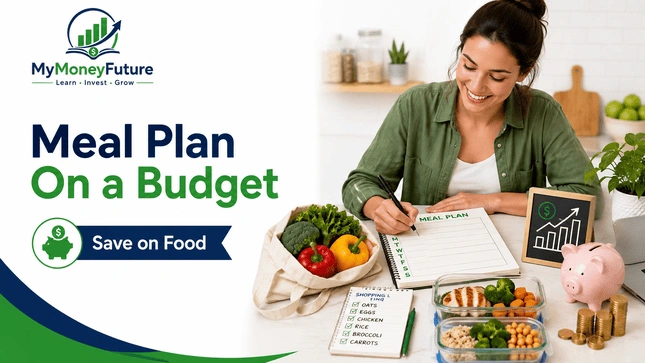
Food is one of the simplest budget items to overspend on because little choices arise every day.
Fast food orders, additional snacks, spoiled food and unscheduled grocery runs all quietly build up to hundreds of dollars in your monthly spending.
Food spending is not one set monthly expense like a car payment or rent. Over the course of a week you make dozens of tiny food selections. A cappuccino on the way to work, an unplanned lunch, forgotten vegetables in the fridge and one last-minute supper delivery may not appear expensive in isolation. Together, they can really take a chunk out of your monthly budget.
Planning meals is useful since it gives every meal a task to do before you go shopping. You purchase what you need, use more of what you have and decrease last minute food decisions.
It doesn’t mean cooking seven elaborate dinners every Sunday or eating the same meal for a week straight. A good meal plan needs to match your actual schedule, energy, culinary skill, family size, nutritional needs, and food costs where you live.
In this article, we’ll teach you how to meal plan on a budget, construct a basic grocery system, and make realistic savings without eating boring meals.
Quick Answer
To meal plan on a budget, take stock of the food you already have, plan simple meals using inexpensive staples, make a grocery list, buy once or twice a week, cook in bulk, and use leftovers. For many households, cutting back on takeout, food waste and spontaneous shopping purchases can save money.
Some households can save $300 a month, especially those who now rely significantly on restaurant meals, delivery apps, convenience items, or frequent impromptu shopping trips. It’s not a guaranteed amount and those who currently manage food spending wisely may save less
The aim is not to reach one perfect number. The idea is to establish a technique you can repeat over and over again that reduces waste while still providing meals your home will love.
Key Takeaways
| Key Point | Summary |
|---|---|
| Plan Before Shopping | A list helps you to avoid impulse buys and to prevent buying the same item twice. |
| Buy Cheap Staples | Rice, beans, oats, eggs, pasta, lentils, frozen vegetables and potatoes can go a long way. |
| Cook Once, Eat Twice | Leftovers cut takeout and save time. |
| Track Food Waste | Food wasted is money wasted. |
| Savings Can Add Up | Skipping takeout and garbage can free up hundreds a month. |
Meal Planning Saves Money
Meal preparation saves money by avoiding emergency spending. Knowing what you are eating also means you are less likely to buy takeout or walk around the supermarket without a plan.
People are hungry, weary, busy, or don’t know what to cook. Those are lots of pricey meal options. 6:30 p.m. Making dinner from whatever’s in the fridge may seem like a lot less effort than ordering dinner.
A meal plan takes that load off. You already know what you’re going to cook and, hopefully, you already have the supplies for it.
The USDA’s healthy eating on a budget guidance suggests planning your meals ahead of shopping, evaluating your existing food supplies, making comparisons, and selecting goods within your budget.
A decent meal plan doesn’t have to be extravagant. It must fit into your timetable, your cooking competence, your family size, and the price of groceries.
Here are some ways meal planning might save you money:
- You make less impromptu store visits.
- You buy less duplicate ingredients.
- You eat food before it spoils.
- You’re less dependent on delivery and takeout.
- You can shop around and compare pricing.
- You can use an ingredient in more than one meal.
- Your plan for lunches and snacks.
- You can cook meals in larger, more efficient batches.
The savings from one change may seem tiny. But one $40 delivery order, $15 of food that would have gone to waste and taking lunch to work three times makes a tangible difference in a single week.
How Much You Can Save?
Saving $300 a month is achievable for certain homes, but it also depends on your present habits.
| Change | Estimated Monthly Savings |
|---|---|
| Substitute two takeout meals a week | $120 to $200 |
| Reduce food waste | $40 to $100 |
| Buy generic brands | $30 to $80 |
| Pack snacks and lunches | $50 to $120 |
| Shop with a list | Depends on the home |
These are illustrative amounts, no assurance. Actual savings may differ based on household size, dining preferences, food prices, location, dietary requirements and the price of the meals being replaced.
If you are currently spending very little on food, you may not be able to save $300. Should be rather doable if you eat a lot of takeout.
Let’s say a household now orders 2 take-out dinners every week at an average cost of $45 per order. That’s about $360 over four weeks.
To replace those meals with two home-cooked dinners would cost close to $120 at $15 each. That’s a $240 a month difference, and that’s before you include in delivery fees, tips, impulse buys or leftovers.
The remaining savings could be achieved by cutting the fat, packing lunches and selecting less expensive supermarket options.
Step one: Track your current food expenses
Before you create a rigorous grocery budget, find out what you’re spending now.
Review a minimum of one month of:
- Purchase of Groceries
- Take-out
- Restaurant food
- Office lunches
- Beverages and coffee
- Convenience store purchases
- Delivery cost and gratuity
- Food bought on the road
- Subscription meal kits
Keep your groceries separate from your eating out so you can monitor where your money is going.
You might realize that the grocery expense isn’t your biggest worry. The bigger issue might be restaurant meals, take-out food, a few of minor store trips or items purchased but never consumed.
Tracking is a feasible beginning point. You may be able to get down to $800 from the $1,100 you are currently spending on food. If you’re currently spending $450 for a family, eliminating another $300 is probably not realistic and may even be harmful.
Budget Meal Plan: Step by Step
Step 1: Look in Your Kitchen First
Before you construct a meal plan, take stock of your pantry, fridge, and freezer.
Build meals around the food you currently have. It cuts down on waste and lightens your grocery list.
Write down ingredients that need to be used soon, such as:
- Green leaves.
- fruit
- Jars open
- Dairy foods
- Leftover cooked food
- Meat kept in the freezer
- Tortillas or bread
- Food products
- Rice, pasta or grains
- Ingredients nearing the end of their life span
You don’t need to take a complete inventory of every spice and condiment. Focus on the food that may be the basis of a dinner or that will go to waste if you don’t use it quickly.
If you already have rice, frozen vegetables, eggs and soy sauce you may just need one or two additional things to prepare fried rice.
2. Opt for Easy Meals
Pick dishes that employ cheap ingredients and can be replicated in numerous ways.
| Staple | Meal Ideas |
|---|---|
| Rice | stir fry, burrito bowls, fried rice |
| Beans | Tacos, soup, chili, salads |
| Eggs | Breakfast bowls, omelets, sandwiches |
| Pasta | Pasta bake, tuna pasta, vegetable pasta |
| Potatoes | Baked potatoes, hash, soup |
| Frozen Vegetables | Stir fry, soup, sides, casseroles |
You don’t have to create an entirely new budget supper every night. One of the easiest methods to cut spending is to repeat ingredients.
Baked potatoes, breakfast hash, soup or a side dish? Potatoes in a bag might become all of these. You may serve a quantity of cooked chicken over rice one night, add it to wraps the next day and use it in soup later in the week.
This way you can have diversity without having a whole new grocery list for every meal.
Step 3: Plan For Your Real Week
If you know you’ll be weary from work, don’t plan seven elaborate dinners.
Choose simple recipes on busy nights and batch cook on calmer days.
Before planning your meals, check your calendar. Make a note of the evenings you’ll be working late, transporting kids to activities, going to appointments, or returning home fatigued.
On those nights I need something quick and realistic like:
- Eggs, toast
- Soup left over
- Pasta with frozen vegetables
- Quesadillas de frijoles y queso
- Potatoes, boiled
- Fruit and sandwiches
- Freezer meal
- Rice bowls (leftovers
Save the more time-consuming recipes for days when you actually have time to cook.
It’s better to plan according to your real schedule than to make a wonderful menu you’ll abandon by Wednesday.
Step 4: Make a Grocery List
Don’t write your grocery list in your head, write it from your meal plan.
Sort your things into sections: vegetables, protein, grains, dairy, freezer, pantry and household staples.
Add it, but make sure you don’t already have it. Many people buy duplicate jars, sauces, spices and canned items because they don’t know what’s in the pantry.
A well-organized list also makes you more productive at the store and limits the time you have for impulse buys.
You might have the list on paper, on your phone or on an app that is shared in the household. Consistency is more important than the format.
Step 5: Make Use of Leftovers
Leftover food should be planned for, not accidental”
| Cook once | Use again as |
|---|---|
| Roasted chicken | Wraps, soup, rice bowls |
| Rice | Fried rice, burrito bowls, soup |
| Beans | Tacos, salads, chili |
| Vegetables | Omelettes, pastas, grain bowls |
| Minced meat | Tacos, Pasta sauce, Stuffed potatoes |
Before you begin cooking, make a plan for your leftovers.
If Monday’s chicken is becoming Tuesday’s lunch, pack it in a lunch container right after supper. If you want to have some extra rice for fried rice, label it and put it somewhere you won’t forget it.
This way you won’t have forgotten containers of leftovers sitting in the back of your fridge.
Step 6: Planning Your Breakfasts, Lunches, and Snacks
A lot of the meal plans are dinner only. That leaves some pricey choices unmade.
Select two or three easy alternatives for each category.
Cheap breakfasts may include:
- Fruit and Oatmeal
- Eggs and toasts
- Oatmeal with yogurt
- Peanut butter and banana toasts
- Breakfast burritos
- Muffins cooked at home
Budget lunches might be:
- Leftover dinner
- Rice and beans bowls
- Soup *
- Sandwiches
- Salad pasta
- Salad with eggs
- Potatoes baked
Some low-cost snacks could be:
- Banana
- Apple
- Popcorns
- Yoghurt
- 2 carrots
- Hard boiled eggs
- Homemade trailmix
- Peanut butter toast
Planning snacks will help you cut down on vending machine purchases, convenience shop stops and expensive packaged items.
Step 7: Keep Emergency Meals at Home
All meal plans eventually get derailed.
You may need to work late, forget to defrost something, become ill or just be too tired to stick to the schedule you had in mind.
Keep a few simple emergency meals on hand. For example:
- Jarred sauce and pasta
- Rice and frozen vegetables
- Soups and breads in a can
- Eggs and bread
- Frozen meals, home-made
- Tortillas with beans and cheese
- Tuna sandwich *
- Freezer basic pizza
An emergency meal is not your most enjoyable evening but it can save you from a far more expensive delivery order.
A Simple 7-Day Budget Meal Plan
This sample plan is just a starting point. Adjust to your diet and costs and family size and culture.
| Day | Budget Dinner Idea |
|---|---|
| Monday | Rice bowl with beans, veggies and salsa |
| Tuesday | Pasta with vegetables & plain tomato sauce |
| Wednesday | Egg fried rice with leftover rice |
| Thursday | Chili of beans with potatoes or rice |
| Friday | Flatbread or pizza leftovers |
| Saturday | Soup with vegetables or lentils or chicken |
| Sunday | Batch-cooked protein, rice and veggies |
The plan purposefully repeats ingredients. Rice is on a numerous meals, veggies can go in spaghetti, fried rice, soup and bowls, and leftover protein can be used again for lunch.
If you are looking for suggestions for balanced meals, USDA MyPlate meal-planning resources can help you think about fruits, vegetables, grains, protein and dairy or fortified alternatives while working with a budget.
Budget Grocery List for _
| Category | Affordable Alternatives |
|---|---|
| Protein | Eggs, beans, lentils, canned tuna, chicken thighs, tofu |
| Grains | Oats, rice, bread, pasta, tortillas, potatoes |
| Vegetables | Frozen vegetables, cabbage, carrots, seasonal produce, onions |
| Fruit | Bananas, apples, oranges, frozen fruit |
| Dairy/Alternatives | Milk, yogurt, cheese, fortified alternatives |
| Flavor | Garlic, spices, bouillon, sauces, herbs |
The aim is not to buy the cheapest food available. The aim is to purchase food that you will really cook and eat.
A inexpensive substance that is never used is no bargain. Choose basics that meet your household’s tastes, dietary demands and culinary styles.
Shop Smart
Compare unit prices
Bigger doesn’t always mean cheaper
Check the unit pricing, which could be the price per ounce, pound, liter or single item. This makes it easier to compare the sizes and brands of packages.
A cheaper unit price is only of use if you are able to eat the food before it goes bad.
Try the Store Brands
Store-brand products are generally cheaper than national ones. Test one at a time.
Rice, oats, canned beans, flour, frozen vegetables, seasonings and pasta are staples that can save you money without modifying your meals.
Watch Monitor Sales
You only save money on a deal if you were going to buy it or you can use it.
Buying three things on offer which the family does not like does not save money but causes waste.
Stock up on shelf-stable or freezable foods you use often during deals, but don’t buy them just because they’re on sale.
Use fresh, frozen and canned food
It’s good to eat fresh vegetables, but it spoils quickly.
Frozen veggies and fruit prevent waste. You only use what you need. Quick meals are easier with canned beans, tomatoes, tuna, maize and other basics.
Compare labels when sodium, sugar, allergies or other nutritional considerations are an issue.
Batch Cooking Without Sacrificing Variety
Batch cooking doesn’t imply you’re eating the same finished meal every day.
Instead, prepare adaptable foods that may be repurposed for multiple meals.
You can cook.
- 1 saucepan of rice
- A platter of roasted veggies
- A bunch of beans
- Tofu or chicken
- A basic sauce
- Hard cooked eggs
Those items could be made into bowls, wraps, salads, fried rice, soup, tacos or pasta dishes.
It’s quicker than prepping seven identical containers and gives you more versatility.
Mistakes in Meal Planning
Meal Planning You Won’t Cook
A lovely meal plan is no good if it doesn’t fit your schedule. Keep weeknight meals easy.
Buying Too Much Fresh Produce
Fresh food is nice, but if you buy more than you can utilize, it will go to waste. Combine fresh, frozen and canned.
Not Counting Snacks and Lunches
A lot of food budgets go bad because the meals are scheduled but the snacks and work lunches are not.
Shopping List Free
A list stops duplicates, impulse buying, and forgotten ingredients.
Attempting to Fix Everything at Once
Planning all your breakfasts, lunches, dinners, snacks and desserts from the get-go might be difficult.
Begin with three to five dinners. Add lunches and breakfasts as soon as the system gets better.
Stretching the Budget Too Far
A grocery goal that’s not realistic might make meal planning feel like a punishment.
Be flexible, allow for favourite meals, celebrations and the odd quick meal. A budget you can stick with long-term is better than a crazy budget you can keep for a week.
Pros and Cons of Meal Planning
| Advantages | Disadvantages |
|---|---|
| Reduces food waste at the grocery | Takes time to plan |
| might reduce takeaway costs | requires cooking routines |
| Makes busy nights easier | Can be repetitive without variation |
| Helps with food budget | Needs flexibility for plan changes |
| Makes it easier to pick healthy options | Upfront prep might be boring |
Planning your meals does take some work, at least for the first several weeks. But in general, if you have a repertoire of go-to recipes built up and you know how much food your family gets through, it gets easier.
Tips From Pros
- Instead of planning seven ideal meals plan three to five dinners first
- Use leftovers for lunches before buying lunch ingredients
- Keep two emergency meals in the house, for evenings when plans go awry.
- Compare unit prices, not the package price.
- use frozen vegetables to cut down on waste and prep time.
- Track your grocery budget for 1 month before setting a hard aim.
- Create a short list of 10 inexpensive dinners your family enjoys.
- Freeze additional bread, meat, cooked grains and appropriate leftovers.
- Have one flexible night in for leftovers or changing plans.
- See what was wasted and plan the next week accordingly.
- Don’t go shopping when you are really hungry.
- Let the family members choose a cheap supper once a week.
Frequently Asked Questions
How to Meal Plan on a Budget
Begin with what you already have, choose basic meals, make a grocery list, buy with a plan and use leftovers on purpose.
Can You Really Save $300 A Month By Meal Planning?
It can benefit households that spend a lot on takeout, impulse buys, or wasted food. Savings will depend on current habits and food costs.
What are the cheapest foods to meal plan?
Cheap basics used regularly are rice, beans, lentils, oats, eggs, pasta, potatoes, frozen veggies and seasonal food.
How many meals do I need to prepare at once?
Three to five dinners a week is a good place to start for beginners. Planning all meals in advance might be daunting.
Meal planning: good for you?
It can. A smart plan has protein, carbohydrates, veggies, fruit and low-cost, nutrient-rich foods.
How to not waste your food?
Before you purchase, look around your kitchen. Freeze extras. utilize leftovers. Don’t buy more fresh food than you can utilize.
Should I buy in bulk?
Bulk shopping might save money on things you use often, but it can also waste money if the food expires or your family doesn’t eat it.
But I loathe leftovers….
Use leftovers to create new dishes, including chicken wraps, chicken soup or chicken rice bowls.
How often do I need to go supermarket shopping?
Some households save money by only shopping once each week, while others need a smaller midweek excursion to pick up fresh products. The ideal timetable is one that avoids unnecessary trips without letting food go bad.
Can you meal plan without prepping?
Yes. Meal planning is selecting what you’re going to eat and buying the ingredients you’ll need. Meal prepping is the process of preparing some or all of your food in advance. You can choose one of the methods or mix them.
How can families prevent complaints about planned meals?
Each individual choose one dinner, side, or snack for the week. Or you can prepare meals that are easily adaptable such as tacos, rice bowls, baked potatoes or handmade pizzas, with each person selecting their own toppings.
What do I do if the meal plan changes?
Just switch the meals around. Don’t give up on the whole strategy. Use perishable goods first, freeze ingredients as needed, and build in a flexible leftover night.
Final Thoughts
Budget meal planning doesn’t have to mean eating the same boring cuisine day in and day out. This is about avoiding costly, last-minute judgments.
Start by planning several basic meals with the food you already have and shop with a focused list. Then establish habits around leftovers, cheap staples, and realistic cooking routines.
You don’t need to be a great cook, or spend an entire Sunday preparing food. A simple schedule with some inexpensive evenings, two breakfast options, leftover lunches, and some emergency meals can go a long way.
If you can cut back on takeout, cut down food waste, and skip impulse supermarket excursions your monthly savings can build quickly.
Saving $300 a month may not be possible for every household, but it’s less about the specific number and more about the habit. However, saving $75 or $150 a month can free up money for repaying debt, emergency savings, investing or some other financial goal.
The cheapest meal plan on paper is not the best meal plan. This is the one your family can always stick to, cook and enjoy.
Educational Notice
This page is for educational and informational purposes only. Food prices, dietary needs, food allergies, medical problems, household finances differ. If you want personalized advise on your diet, you should speak with a trained nutrition or medical professional.
