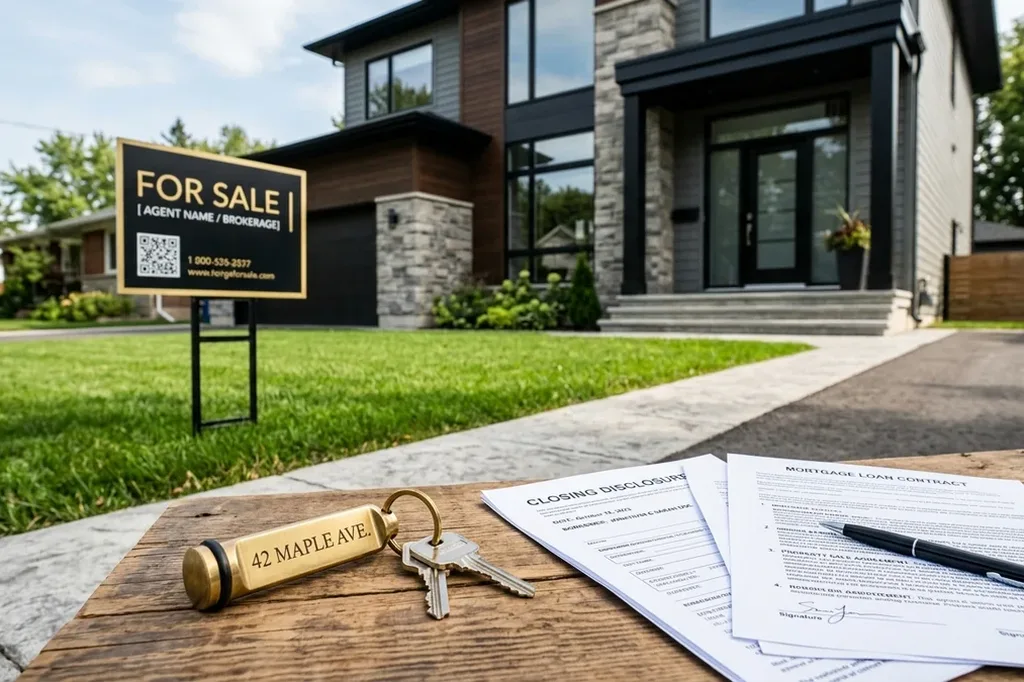
MCLEAN, Va. — Prospective homebuyers across the United States face renewed financing pressure as the 30-year fixed-rate mortgage surged to an average of 7.40%, according to the latest nationwide survey published by mortgage giant Freddie Mac. The sudden upward trajectory marks one of the most pronounced increases in borrowing costs this year, adding hundreds of dollars to monthly payment commitments on median-priced single-family residences.
| Mortgage Metric | Early Autumn Baseline | Current Level | Impact on $400k Loan |
|---|---|---|---|
| 30-Year Fixed Mortgage Average | 6.71% | 7.40% | +$184 / month |
| 15-Year Fixed Mortgage Average | 5.98% | 6.62% | +$146 / month |
| Share of Listings with Price Reductions | 16.8% | 21.4% | More room to negotiate |
| National Median Single-Family Price | $416,000 | $420,500 | Modest seasonal flattening |
Why Mortgage Rates Climbed in Tandem with Bond Yields
A frequent point of confusion among homebuyers is the distinction between the Federal Reserve’s short-term target rate and long-term mortgage pricing. Residential mortgage notes do not move dollar-for-dollar with the Fed; instead, fixed-rate loans closely track the yield on the 10-year U.S. Treasury note, which serves as the international benchmark for long-term dollar debt.
Recent increases in federal deficit issuance, coupled with resilient macroeconomic indicators, led bond traders to drive 10-year Treasury yields higher. Lenders in turn widened mortgage spreads to preserve underwriting profitability, directly transmitting higher borrowing costs to consumer home purchase applications.
Buyer Leverage Rebounds: Price Cuts and Concessions
While borrowing hurdles remain high, qualified buyers possess tangible advantages that were entirely absent during the pandemic seller’s market. With higher rates tempering speculative demand, total active home inventory has expanded significantly. Multiple regional MLS datasets reveal that more than 21% of active for-sale listings have implemented formal price cuts.
Rather than dropping asking prices exclusively, builders and motivated sellers are increasingly offering seller-paid financing concessions. These include paying closing costs or funding temporary 2-1 rate buydowns, which reduce the buyer’s effective interest rate by 2% in the first year and 1% in the second year, easing initial cash-flow demands.
Tactical Guide for Active Home Shoppers
How to Protect Your Budget in a 7% Rate Climate:
1. Request Seller-Paid Rate Buydowns in Purchase Offers: Instead of asking for a $15,000 price drop, request $15,000 in seller credits applied toward a temporary 2-1 buydown or permanent discount points to directly reduce your monthly payment.
2. Shop Minimum 3 Distinct Lending Institutions: Data from the Consumer Financial Protection Bureau demonstrates that comparing quotes across credit unions, independent mortgage brokers, and online retail lenders saves the average borrower over $1,200 annually in interest charges.
3. Protect Inspection Contingencies: In a balanced market, never waive structural, radon, or mechanical inspection clauses. Use findings during inspections to negotiate repair allowances or additional purchase price credits.
Frequently Asked Questions for Homebuyers
Should I wait for mortgage rates to drop before buying? Financial housing economists caution against attempting to time interest rates. If borrowing rates decline significantly in future quarters, pent-up homebuyer demand is likely to trigger renewed bidding wars, driving home purchase prices upward and offsetting lower financing charges.
What is the difference between a 2-1 buydown and permanent discount points? A temporary 2-1 buydown reduces your rate by 2% in year one and 1% in year two before returning to the permanent note rate in year three. In contrast, purchasing permanent discount points requires an upfront fee but lowers your interest rate for the entire 30-year life of the loan.
Explore Free Interactive Financial Calculators
Put these insights into practice with our 7 free financial planning and net-worth growth calculators: